This Week on the Ranch
Hello and welcome to this week’s newsletter.
My name is Connor McCauley, and I write these each week from a bit of a unique perspective. When I first came to the ranch, I truly was an outsider looking in. Now, after five years here, maybe I’m not quite an outsider anymore… but I’m still learning every day what it really means to be a rancher.
So each week, I try to invite you into this world with me — to share a little bit about our 5th-generation ranch, our family, and the legacy we’re working to carry forward.
And this week we’ve got a good one.
Working Cattle in the Canyon
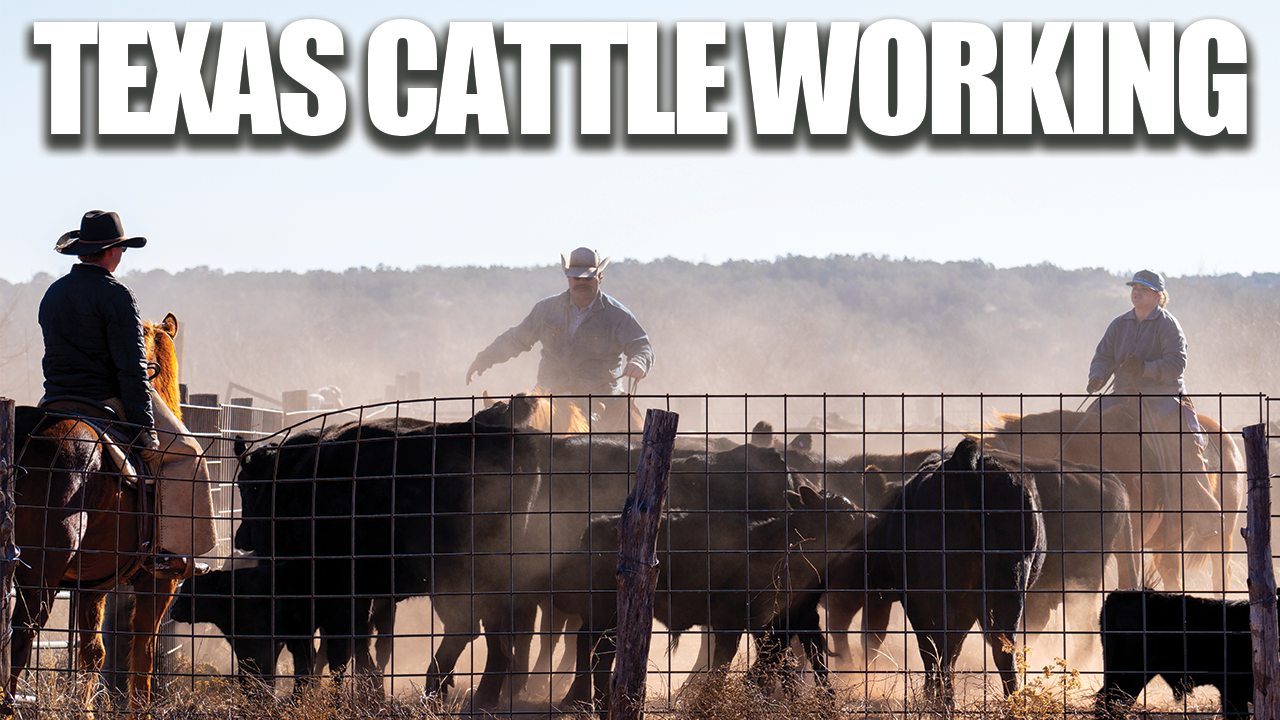
This week we had a cattle working, and if you’re new to these newsletters, there’s something about our ranch that makes this work especially interesting.
Our ranch sits right on the edge of Palo Duro Canyon, the second-largest canyon in the United States.
Now sure, the Grand Canyon gets all the attention. But Palo Duro is something special in its own right. It’s rugged. It’s wild. And when you’re down in it, it feels like stepping straight into the Old West.
The kind of country where cowboy work is still done the way it has been for generations.
If I had to describe it, I’d say it’s what you picture when you think of the old cowboy movies… times ten.
For some of you who remember the old days, our ranch almost feels like it could belong on the cover of a Marshall Tucker Band album.

Dropping Into the Canyon
Whenever we work cattle in the canyon, the first step is getting down there.
And that’s no small task.
The cowboys have to drop anywhere from 800 to 1,000 vertical feet into the canyon before the work even begins.
This week we went down one side of the ranch using Pony Trail, a beautiful but rugged path that winds down into the rough country below. Horses and riders work their way along steep slopes, loose ground, and rocky terrain.
It’s tough country.
But it’s also how it’s been done here for generations.
One thing that always strikes me when you start dropping into the canyon is how the landscape changes. You begin to see these rolling shapes across the canyon — ridges, mesas, and mounds rising up from the floor.
At some points it almost stops feeling like a canyon at all.
It starts to feel like you’re halfway up a mountain, looking across a valley at another mountain range.
It’s truly something to see.

Gathering the Cattle
Once we’re down in the canyon, the next step is finding the cattle.
That’s where the cowboys come in.
This week we had six riders: Aaron and Faith, who live on the ranch, their friends Caleb and Hadley, and two other cowboys who have spent time working here and are good friends of ours — Derek and Coit.
Along with them were several of us helping on the ground — including myself, Tracy (a friend of Helen’s), Sam of course, and Matt with his granddaughter Peyton.
So we had quite a crew.
The cowboys spread out across the canyon and begin pushing cattle toward the gathering point. Meanwhile we bring down our old military feed Hummer.
That thing is something else.
We fire up the siren on it, and the cattle know the sound. Over time they’ve learned that the siren means feed.
So when they hear it, they start drifting in.
Before long you’ve got cattle showing up from all directions.
That’s how we gather them.
Sorting the Herd
Once everyone arrives, we move the herd into the pens.
The first job is separating the mother cows from the calves.
Everyone piles into the pen and the cowboys begin moving cattle through the crowd. One rider works the gate, letting the mama cows out while keeping the calves inside.
We separate them because the mothers can be dangerous, when you’re working on foot instead of horseback, that’s not something you want to mess around with.
So once the moms are out, we’re left with the calves we need to work.
Working the Calves
The calves are then moved in small groups into a smaller pen connected to a working chute.
Each calf is guided down the chute to the working table where we take care of what needs to be done.
That includes:
-
Castrating the young bulls so they become steers
-
Marking ears for identification
-
Giving any medicine needed
It’s all part of keeping the herd healthy and strong.
Once they’re finished at the table, the calves are released back into the pens where their mothers are waiting.
And just like that, they go right back to mama while we move on to the next group.
When Things Get Interesting
This working had one extra wrinkle.
A few calves had hit the ground early, which meant some of them were already pretty big by the time we worked them.
Too big for the chute.
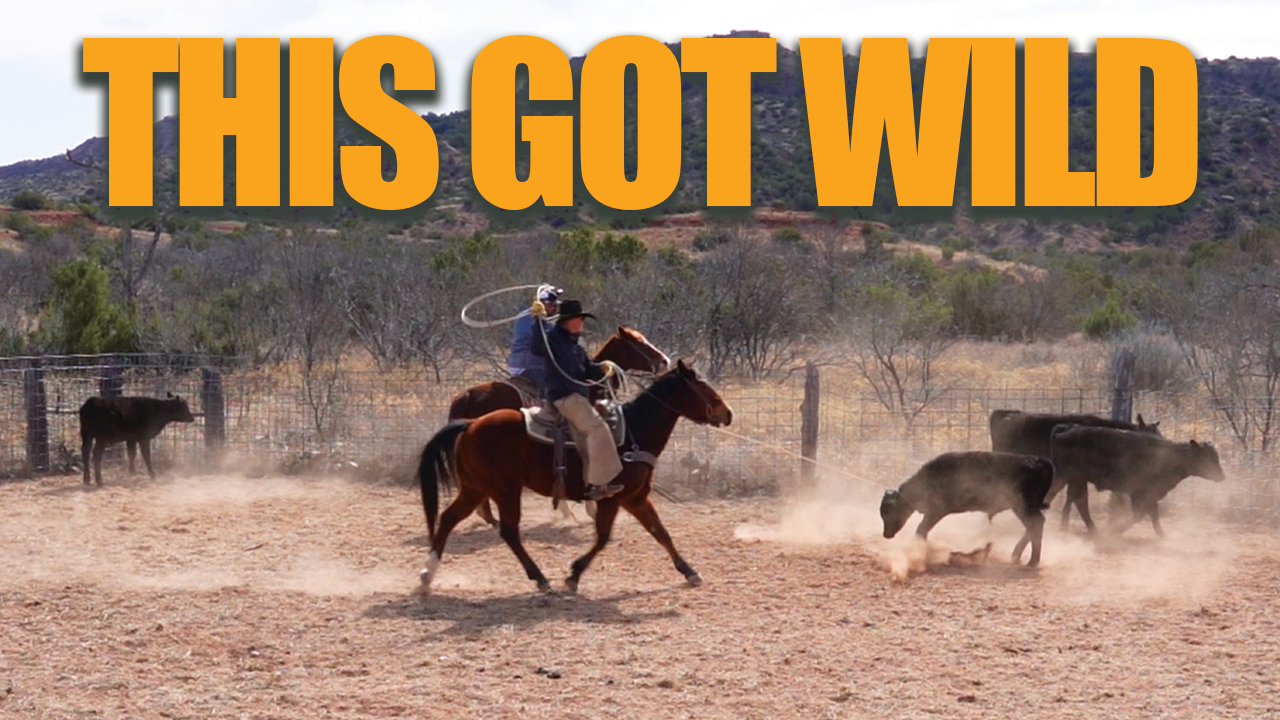
So instead of running them through the system, the cowboys had to rope them.
That’s not something we do very often on our ranch, though it’s common on many others.
But it made for some pretty exciting moments.

Watch the Full Story
Now here’s where I encourage you to do something.
Every week about a thousand people read this newsletter.
But if you really want to see this story come to life, go watch the YouTube video from this working.
It’s a great one.
You’ll see the canyon, the cowboys, the roping, and everything that goes into a day like this on the ranch.
I’ll leave the link either above or below this article, depending on whether you’re reading the email or viewing it on the website.
A Small Way to Support Ranchers
And while I’m at it, I’ll mention one other thing.
Some folks reading this newsletter buy our beef, and we’re incredibly grateful for that.
But I also know there are plenty of people who either can’t afford it right now or just haven’t tried it yet.
And that’s okay.
If you ever wonder how you can support American ranchers without buying beef, here’s an easy way:
Go watch the video.
Give it a thumbs up.
And if you enjoy it, subscribe.
Watching the video all the way through helps the algorithm more than you might realize. And every subscriber helps us grow that side of what we’re building here.
It means more than you know.
Until Next Week
No matter how you support us — whether you buy beef, watch the videos, or simply read these newsletters — we truly appreciate you being here.
Next week we’ve got another adventure coming.
We’ll be heading down Bull Trail, which in my opinion is the most exciting part of the ranch.
So stay tuned.
I’ll see you next week.
— Connor


Leave a comment
All comments are moderated before being published.
This site is protected by hCaptcha and the hCaptcha Privacy Policy and Terms of Service apply.