Welcome to another adventure from the Harrell Ranch.
If you’re new here, my name is Connor McCauley, and every week I try to show you the ranch through my eyes.
I wasn’t born a Texan.
I wasn’t raised a rancher.
And I certainly didn’t grow up a cowboy.
But over the last few years, that’s exactly what life has been shaping me into.
This newsletter is my attempt to bring you along on that journey — the work, the lessons, the frustrations, and the moments that make it all worth it.
So without further ado, let’s jump into this week’s adventure.
Life on the Edge of the Canyon
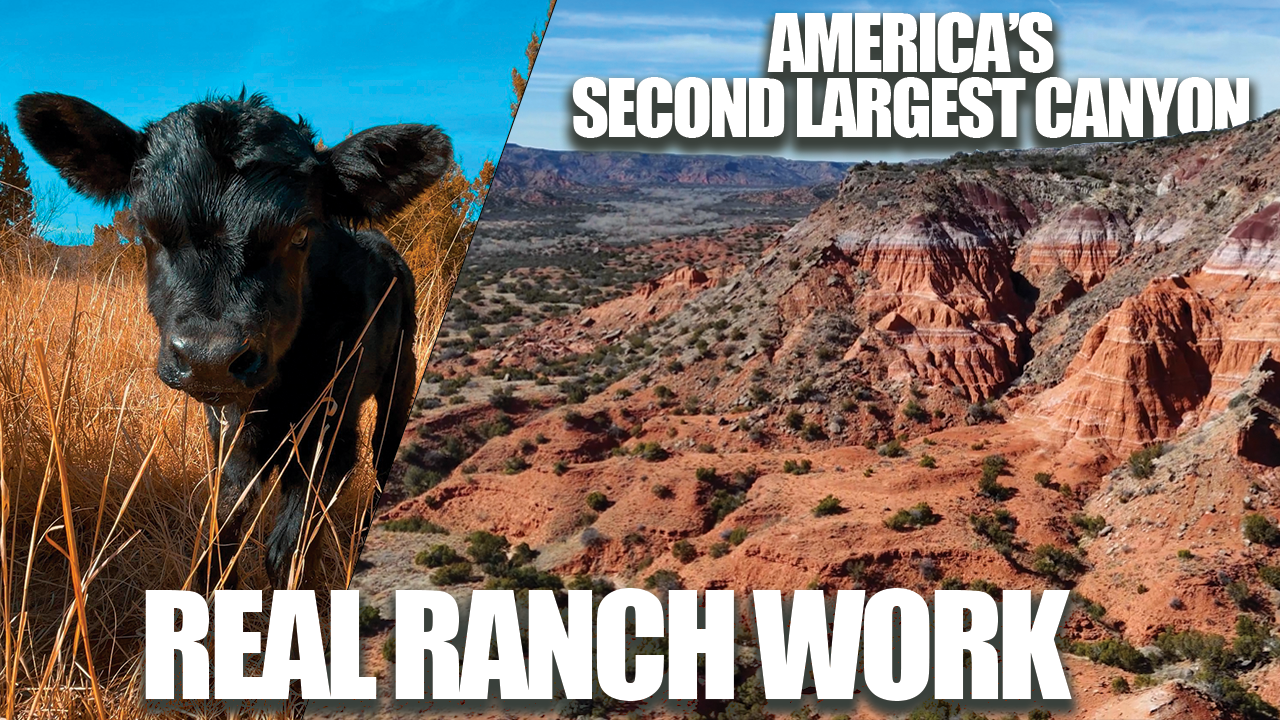
Our ranch sits on the edge of the second largest canyon in North America — Palo Duro Canyon.
And that canyon is a huge part of this story.
The terrain down there is rough.
Hostile, even.
Deep crevasses.
Creeks with steep banks.
Mesquite trees covered in thorns.
Dust, heat, and unforgiving ground.
It’s not exactly the friendliest place for humans.
But cattle love it.
There’s grass.
There’s water.
And cattle are far tougher than we are when it comes to navigating rugged terrain.
Getting from our upper pastures to our lower pasture, however, is another story.
The terrain between them is brutal.
Which leads to the most important thing on a ranch like ours.
Roads.
Without roads, we can’t get anywhere.
And that’s where this week’s story begins.

Enter the 1980s Bulldozer
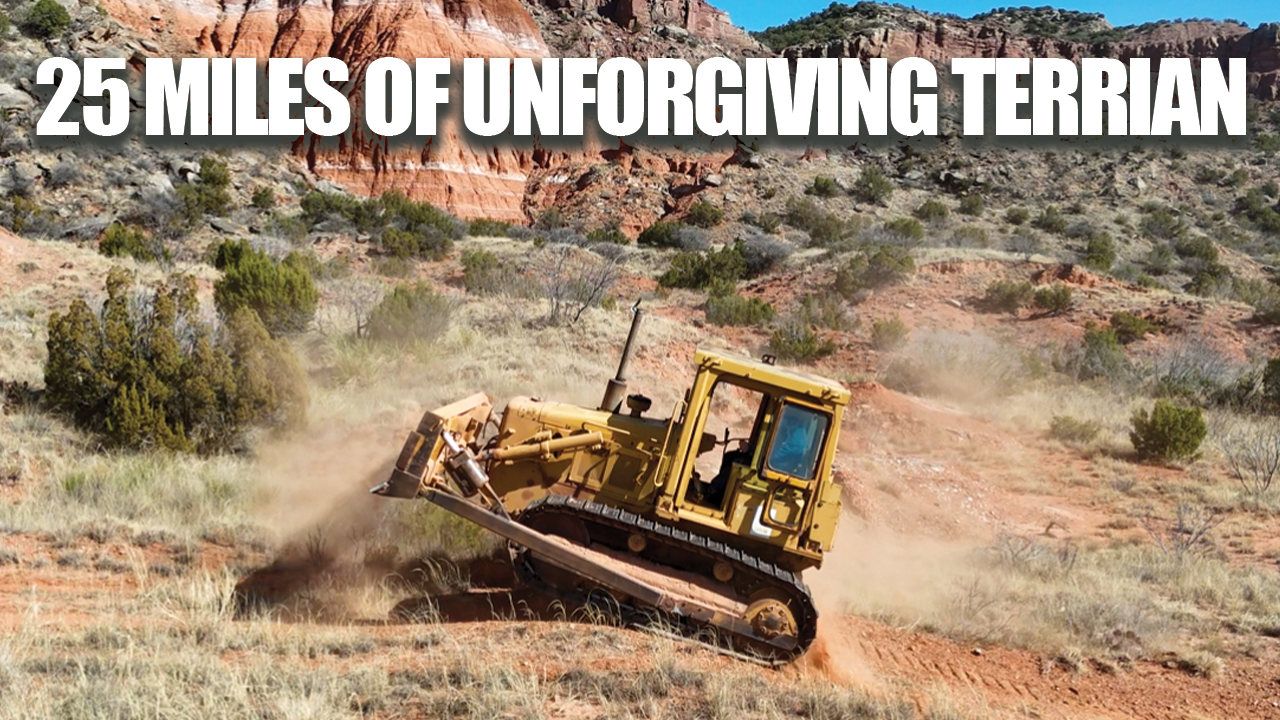
Our road-building machine is a 1980s Caterpillar D5 bulldozer.
Every year we use it to maintain and rebuild the roads that let us move cattle, feed, and equipment through the canyon.
One of the biggest challenges is drainage.
If water isn’t directed properly, the roads will erode and wash away during storms.
The problem is…
When your bulldozer is from the 80s, keeping it running becomes half the job.
And that’s exactly what happened.
We had just made it down into the canyon, crossed a creek, and started working when suddenly…
A hydraulic hose blew.
That meant digging through a maze of hoses and steel to find the culprit.
Fixing it wasn’t simple either.
We had to remove the floorboard, and the bolts holding the hose were in such an awkward location that I had to work from above while Sam crawled underneath the machine turning the wrench from below.
Eventually we got it replaced.
Back to work.
Or so we thought.
Miles of Dust and Rough Country
The road we were building stretches about 25 miles through the canyon.
It’s rough country.
The bulldozer kicks up massive clouds of dust, and if you’re in the chase vehicle behind it — which I was in the Ranger — you’re basically driving through a dust storm the entire time.
But I was also filming the whole process for YouTube.
At one point, Sam pushed a big mound of dirt up out of a grassy valley to help control water runoff.

Later, when I drove the Ranger across it…
I tried to go a little too fast.
And immediately high-centered the Ranger right on top of it.
Perfect.
Thankfully the Ranger had a winch.
I wrapped the cable around a nearby mesquite tree and slowly pulled the vehicle off the mound.
Adventure continued.
The Battery Problem
After several miles of work, we ran into another issue.
The bulldozer wouldn’t start properly.
For several days we had been using solar panels to charge the batteries just to get it running.
But this time we found the real problem.
One of the battery cables had come loose and was rattling around — shorting the system and actually melting the battery terminal.
Another repair.
Another delay.
Just another normal day running old equipment.
Day Two: More Problems
The next day we got back at it.
We had only a few miles left to finish before reaching Bull Trail — one of the main roads into the canyon.
But before long we noticed the bulldozer temperature climbing.
It was overheating.
Turns out the radiator grill was packed with dust and debris.
We had to return with an air compressor and completely blow out the radiator so the machine could breathe again.
Finally, we made it to Bull Trail.
Bull Trail is an 800-foot climb up the canyon wall and one of the steepest roads on the ranch.

Watching the bulldozer work that slope is something else.
You should definitely watch the video to see it.
My Turn on the Bulldozer
At one point, Sam gave me the chance to run the bulldozer myself.
I had driven it once before, but this time he wanted me to actually work it.
And let me tell you — these old machines are nothing like modern equipment.
No steering wheel.
No gas pedal.
You’re operating multiple levers at once:
One lever controls forward and reverse.
Two levers control the tracks for turning.
Another set controls the blade.
It’s a lot to manage all at once.
The newer machines have joysticks.
This one requires a bit more… finesse.
Everything was going fine until I pushed up a dirt mound that was probably a little too big.
When I drove over it, the machine lurched forward and the blade caught the bank.
And snap.
We broke a tie rod on the blade assembly.
Another repair.
We ended up welding it back together, and thankfully that did the trick.
But that’s life running equipment like this.

Why It Matters
At the end of the day, this might seem like work that’s far removed from cattle.
But it isn’t.
These roads are what allow us to care for the cattle that live down in the canyon.
Without them, we can’t move feed, check water, or manage the herd.
Sometimes ranch work means horseback.
Sometimes it means fixing fence.
And sometimes it means spending days fighting an old bulldozer in the dust.

Thank You
I want to end with a simple thank you.
Many of the people who buy our beef aren’t just buying food.
They’re investing in American ranching.
Ranching is one of the few industries that still looks a lot like it did generations ago.
We’re still outside every day.
Still working cattle.
Still caring for land that will hopefully be passed down to the next generation.
That’s the American spirit.
Owning land.
Caring for animals.
Producing food.
Building something that lasts beyond your lifetime.
That’s what legacy really means.
And whether you're reading this newsletter or cooking one of our steaks at your dinner table, we appreciate you being part of that story.
If you haven’t tried our beef yet, we’d love for you to give it a shot. We hear from customers all the time who say it reminds them of how beef used to taste — raised right and handled with care.
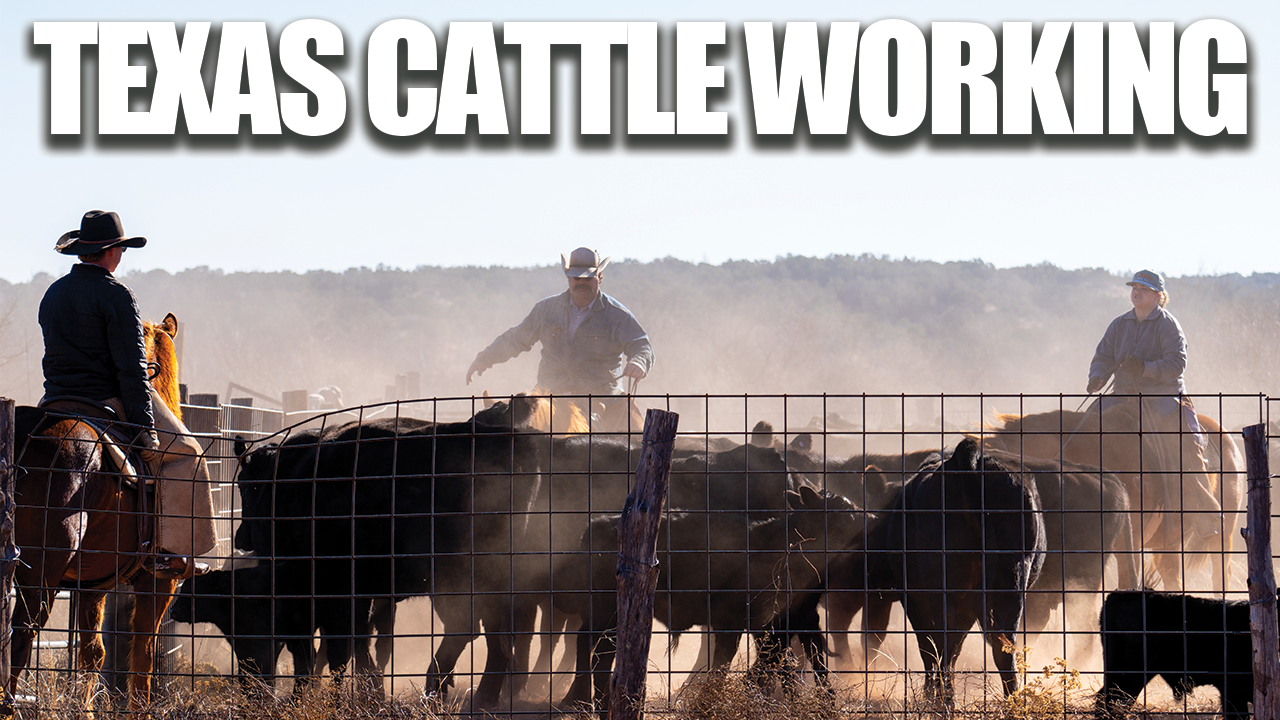
Next week’s newsletter will feature a big cattle working with the cowboys, so stay tuned.
I’m excited to share that one with you.
See you then.
— Connor

Leave a comment
All comments are moderated before being published.
This site is protected by hCaptcha and the hCaptcha Privacy Policy and Terms of Service apply.