Cowboy Corner: Freedom Is Fed
As I sit here writing this, it's a beautiful day on the ranch. We've had several good rain events this week, so everything is green. It's hot—this is Texas after all—but it's a great way to kick off the Fourth of July weekend.
First of all, Happy Independence Day!
America is celebrating 250 years of freedom, and that is something worth pausing to appreciate. I don't think our Founding Fathers could have imagined this nation reaching such a milestone. Personally, I'm hoping and praying for another 250 years.
That got me thinking about what freedom really depends on.
If you're new here, welcome! My name is Connor McCauley. I've been writing these ranch updates since 2022, sharing life on the Harrell Ranch through the eyes of someone who wasn't born into it. I married my beautiful wife, Helen, into a fifth-generation ranching family, and every year I've gained a greater appreciation for what agriculture means to this country.
When I think about the American spirit, I think about our military. I think about first responders. And right alongside them, I think about farmers and ranchers.
Agriculture has always been part of America's story. Long before the United States existed, Native Americans were cultivating crops and teaching early settlers how to farm this land. Generation after generation has built upon that knowledge, and today, agriculture remains one of the foundations of our nation.
Back in the Tractor
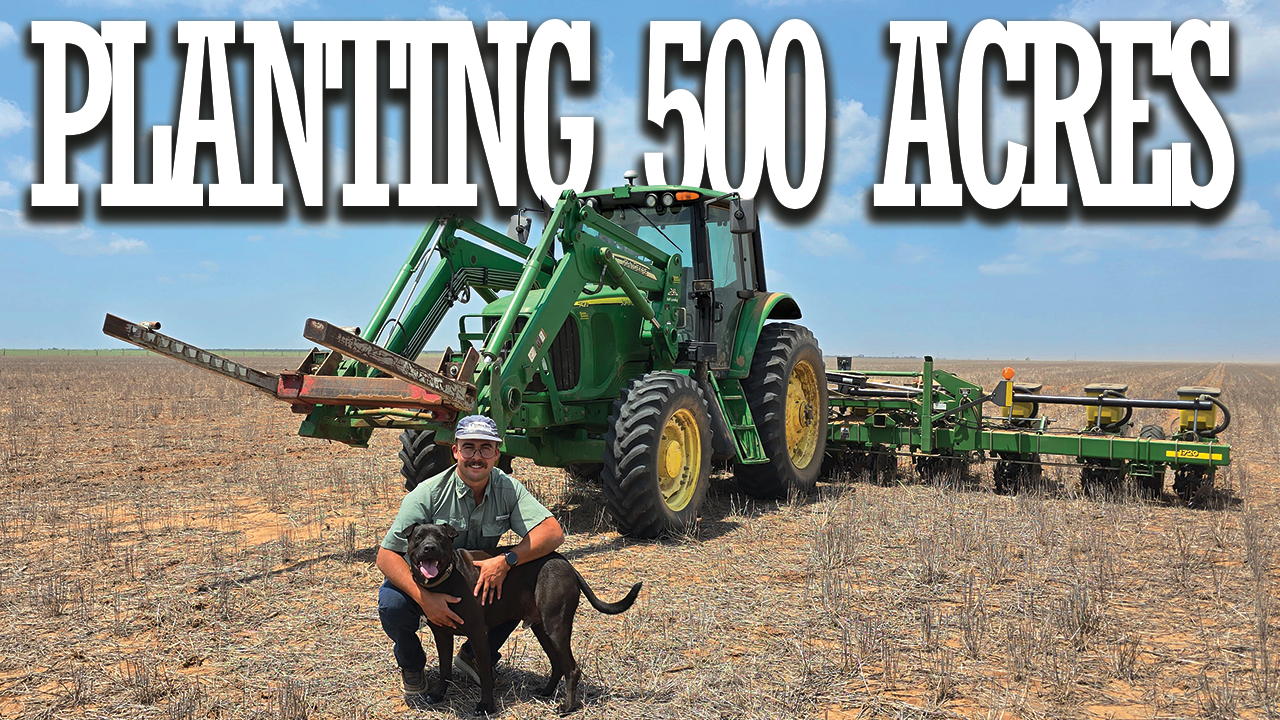
This week it was time to plant what we call milo—you may know it as grain sorghum.

Unlike corn, milo is incredibly drought tolerant, which makes it a great crop for our part of Texas. We grow it primarily to feed our cattle, and this week we planted nearly 500 acres using a no-till system, meaning we plant directly into last year's crop residue without plowing the soil first.
I even got to bring my puppy along for the ride.

If you'd like to see what planting season looks like, be sure to check out this week's YouTube video linked in this email. We'd love to have you subscribe and follow along as we document life on the ranch.
What Does This Have to Do With Freedom?
Quite a bit, actually.
Recently, Secretary of Agriculture Brooke Rollins said:
"Agriculture is national security, period. A nation that cannot feed itself cannot defend itself."
I couldn't agree more.
Freedom isn't only defended by the men and women serving in our military. It's also sustained every single day by the people who produce our food.
A nation that depends entirely on someone else for its food eventually gives away part of its independence.
Today we're facing challenges that should concern all of us.
We're losing roughly 2,000 acres of American farmland every day to development. Foreign ownership of farmland (especially China) has become an increasing concern. People like Bill Gates buying up more than his fair share is problematic. More food is being imported than ever before. Family farms continue disappearing while agriculture becomes increasingly concentrated.
These aren't just farming issues—they're freedom issues.
History has repeatedly shown that when governments or a handful of powerful organizations gain complete control over food production, ordinary people lose choices and, eventually, freedom. One of the most devastating examples was Mao's China, where centralized agricultural policies contributed to a famine that killed tens of millions of people.
That's not to say America is headed there. But history teaches us something important: decentralization matters.
Millions of independent farmers making independent decisions is far healthier than putting our entire food system into the hands of just a few people.

Our nation was built on the principle that power should remain with the people whenever possible. Agriculture is no different.
So What Can We Do?
The first step is simply to be aware.
Know where your food comes from.
Know who grows it.
Pay attention to agricultural issues, even if you don't work in agriculture yourself.
Support local farms and ranches whenever it makes sense for your family. Every dollar spent supporting American agriculture helps keep family farms alive.
It's also worth paying attention to agricultural policy. You don't have to make politics your entire personality, but it's wise to understand what leaders are saying about our food system and why it matters.
Finally, don't settle for headlines or 60-second videos.
We live in a world full of quick opinions and bold claims. Whether something agrees with your beliefs or challenges them, take the time to dig deeper. Seek truth before simply accepting what confirms your viewpoint.
The same goes for food. Companies make health claims every day. Influencers promote diets every week. Before believing any of it, do a little research. Becoming an informed consumer is one of the best investments you can make—for your health, your family, and your country.
A Thought From Thomas Jefferson
Thomas Jefferson believed that independent farmers formed the backbone of a free republic. He once wrote:
"Cultivators of the earth are the most valuable citizens. They are the most vigorous, the most independent, the most virtuous, and they are tied to their country by the most lasting bonds."
Whether you live on a ranch, in a small town, or in the middle of a city, agriculture touches your life every single day.

This Fourth of July, as we celebrate 250 years of American freedom, let's also celebrate the people who help make that freedom possible—from the soldiers protecting our nation to the farmers and ranchers who feed it.
Happy Independence Day from all of us here at TriTails.
God bless you, and God bless America.

Leave a comment
All comments are moderated before being published.
This site is protected by hCaptcha and the hCaptcha Privacy Policy and Terms of Service apply.